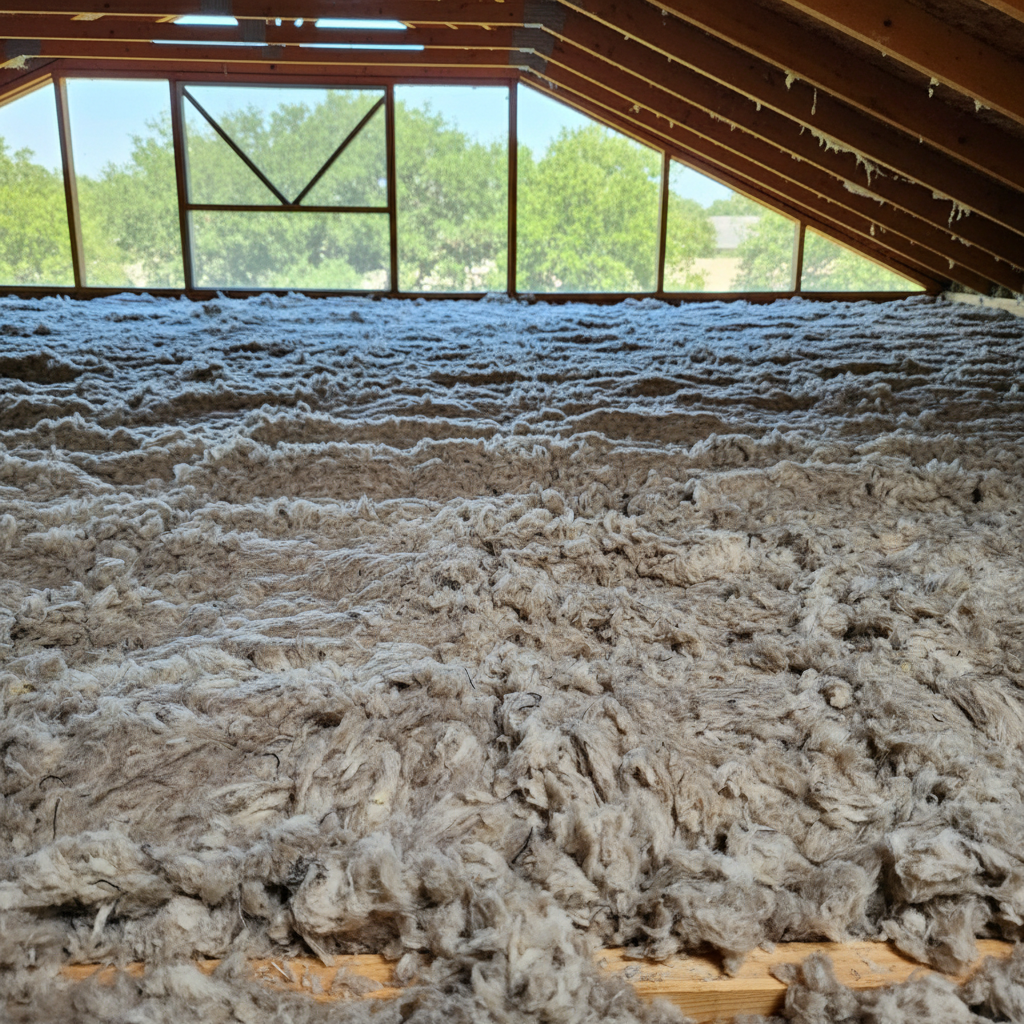
What's the right R-value for my attic here in DeSoto?
This is probably the first thing folks ask me, and it's a good one. R-value just measures how well insulation stops heat from moving. The higher the R-value, the better it insulates, plain and simple. For our climate here in DeSoto, which gets seriously hot in the summer and can dip pretty low in winter, the Department of Energy suggests an R-value between R-38 and R-60 for attics. That's a range, I know. What I usually tell people is, if you've got an older home, especially one built before the 90s, you're probably way under that. You might have R-19 or even less. Bringing it up to at least R-38 is going to make a huge difference in your energy bills and how comfortable your home feels. Going higher, like R-49 or R-60, is even better if your budget allows and your attic space can handle the depth. It's an investment that really pays off, especially with our long, brutal summers.
How do I know if my attic insulation needs replacing or just adding to?
Good question, and it's not always a clear-cut answer without taking a look. First, just go up there and see what you've got. Is it thin? Can you see the tops of your ceiling joists? If so, you definitely need more. If it's settled, dusty, or looks like it's been through a few too many storms, that's another sign. Sometimes, if you've had water damage from a leaky roof, or if animals have gotten into your attic, that insulation is compromised. It'll be matted down, wet, or full of droppings. In those cases, you're better off removing the old stuff and starting fresh. Old, contaminated insulation isn't just less effective; it can also be a health hazard. But if it's just old and thin, and otherwise clean and dry, we can often just add new insulation right on top to boost that R-value.
Does attic insulation help with summer heat or just winter cold?
Oh, it helps with both, big time. People often think of insulation as just keeping the cold out, but it's just as crucial, if not more so, for keeping the heat out during our DeSoto summers. Your attic can hit 130-150 degrees easily on a hot August day. Without proper insulation, that heat just radiates down into your living space, making your AC work overtime. It's like putting a lid on a pot – it keeps the heat from escaping in winter and keeps it from getting in during summer. A well-insulated attic means your AC doesn't have to fight as hard, saving you a ton on your electric bill and making your home feel cooler and more consistent.
What about attic ventilation? How does that tie into insulation?
Ventilation is super important, and it works hand-in-hand with your insulation. Think of it like this: your insulation slows down heat transfer, but ventilation helps remove any heat and moisture that does get into the attic space. You want a balanced system with both intake vents (usually in your soffits, under the eaves) and exhaust vents (like ridge vents or static vents on your roof). This creates a natural airflow that pulls hot, moist air out of the attic. Without good ventilation, even the best insulation can struggle. Trapped heat makes your AC run more, and trapped moisture can lead to mold, mildew, and even wood rot, especially in humid climates like ours. I've seen plenty of homes in the Ten Mile Creek area where poor ventilation caused more problems than just high energy bills.
Can I really do attic insulation myself, or should I hire a pro?
Look, I'm a contractor, so you know what I'm gonna say, right? But honestly, it depends. If you're just adding another layer of blown-in fiberglass on top of existing, clean insulation, and you're comfortable working in a hot, dusty, cramped space, you *can* rent a machine and do it. It's a dirty job, though, and you need to be careful with safety – wearing a respirator, eye protection, and making sure you don't step through the ceiling. However, if you need to remove old insulation, deal with pest issues, air seal your attic, or install something like spray foam, that's definitely a job for a professional. We've got the right equipment, the safety gear, and the know-how to do it right and make sure you get the maximum benefit. Plus, we can spot other issues, like ventilation problems or hidden leaks, that a DIYer might miss. At Omega Insulation, we do this every day, so we know all the tricks of the trade to get it done efficiently and effectively.
How long does attic insulation last, and when should I think about replacing it?
That's a good question because it's not a one-and-done forever kind of thing. Blown-in fiberglass or cellulose insulation, if it's installed correctly and stays dry and undisturbed, can last for decades – 20, 30, even 50 years. The problem is, attics aren't always undisturbed. Pests, roof leaks, or even just people moving things around up there can compress it or contaminate it, reducing its effectiveness. Also, over time, some types of insulation can settle, especially cellulose, which means you lose some of that R-value just from gravity. If your insulation is looking matted, dirty, or you're noticing higher energy bills and inconsistent temperatures in your home, it's probably time to have us come take a look. Even if it's still good, adding a fresh layer can often bring it up to modern standards and really boost your home's performance.