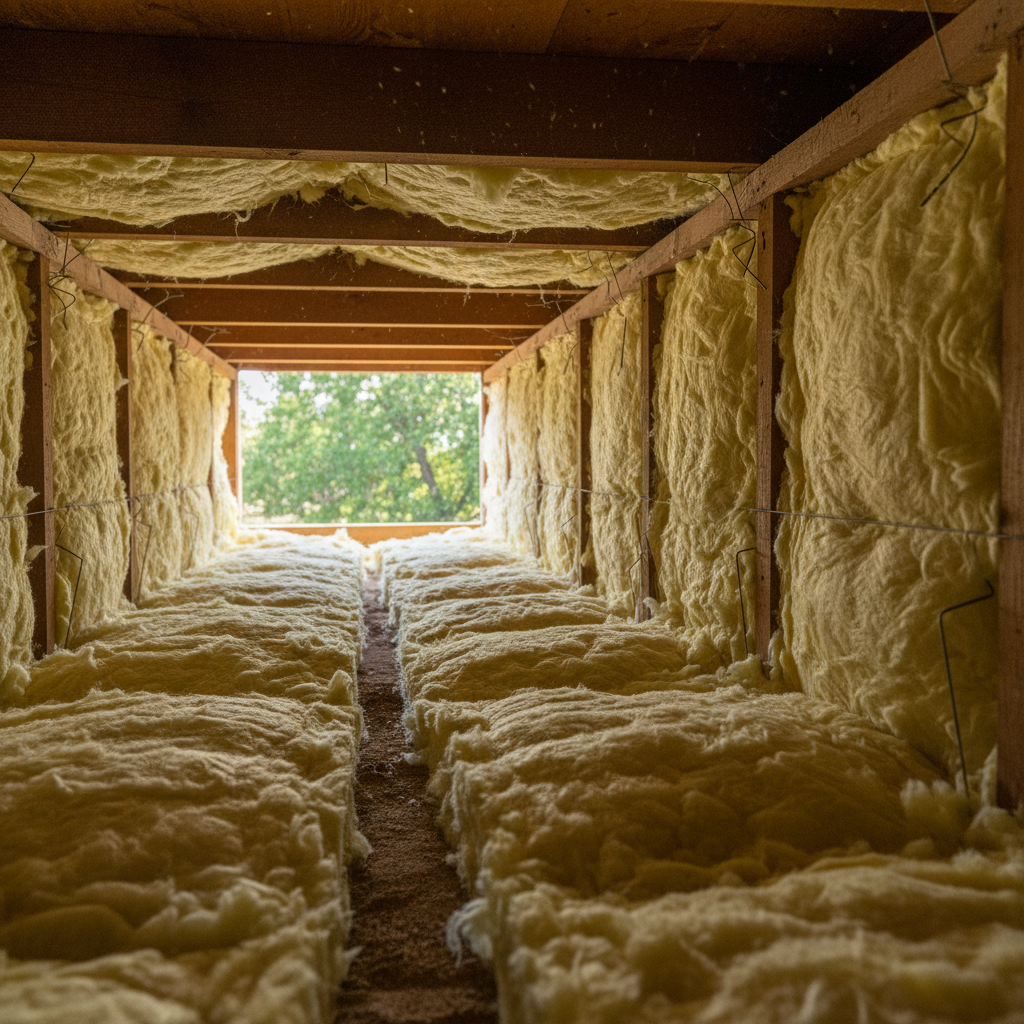
Alright, let's talk about crawl spaces. Down here in DeSoto, especially with our humid summers and the occasional cold snap, a poorly insulated crawl space isn't just uncomfortable; it's costing you money and can even mess with your home's air quality. I've seen it time and again. People often ignore that space under their house, but it's a critical part of your home's energy envelope.
Why Even Think About Crawl Space Insulation?
You might be thinking, 'It's just a crawl space, who cares?' Well, you really should. First off, a lot of your home's air actually gets pulled up from that crawl space. If it's damp, moldy, or full of pests, you're breathing that in. Not good, right? Second, it's a huge energy leak. Your HVAC system works overtime trying to heat or cool your living space while conditioned air escapes or outside air sneaks in through the floor. Insulating it properly keeps your floors warmer in winter, cooler in summer, and generally makes your whole house more comfortable and efficient. Plus, it can help prevent pipes from freezing, which is a real headache nobody wants to deal with.
Before You Start: What to Check Yourself
Before you even think about insulation, you've got to make sure your crawl space is dry and clean. This is step one, and it's mostly a DIY job, though you might need a pro for bigger issues.
- Moisture Control is Key: This is non-negotiable. If you have standing water or dampness, insulation will just trap it and lead to mold and rot. Check for leaky pipes, foundation cracks, or poor drainage around your house. Make sure your gutters are clear and downspouts direct water away from the foundation. For persistent dampness, you might need a vapor barrier – a heavy-duty plastic sheet laid on the ground. You can usually install this yourself, overlapping seams by at least 6 inches and taping them.
- Pest Patrol: Critters love crawl spaces. Look for signs of rodents, insects, or even snakes. Seal up any entry points you can find – cracks in the foundation, gaps around pipes, things like that. If you have an active infestation, call an exterminator first. You don't want to insulate pests into your home.
- Clear the Clutter: Get rid of any debris, old wood, or anything else that doesn't belong. You need a clear workspace.
- Ventilation Check: Traditional crawl spaces often have vents to the outside. While some newer methods involve sealing these, for now, just make sure they're not blocked by bushes or debris.
Choosing Your Insulation: When to Call a Pro
Okay, once your crawl space is dry and clean, you need to decide on the insulation type. This is where it gets a little trickier, and honestly, for the best results and long-term satisfaction, you'll often want to bring in someone like us at Omega Insulation.
- Encapsulation with Spray Foam: This is usually my top recommendation for DeSoto homes, especially with our clay soils and the humidity we get. It's a comprehensive solution. We'd seal off the crawl space from the outside world, insulate the walls and rim joists with closed-cell spray foam, and often install a heavy-duty vapor barrier on the ground. This creates a conditioned, sealed environment. It's not a DIY job – you need specialized equipment and training to apply spray foam correctly and safely.
- Rigid Foam Boards: You can install rigid foam boards yourself on the crawl space walls and rim joists. It involves cutting the boards to fit snugly and then sealing the seams with tape or caulk. It's labor-intensive, and getting a perfect seal is crucial. If you're handy and have the right tools, it's doable for a homeowner.
- Fiberglass Batts: This is what most people think of for insulation. You can install fiberglass batts between the floor joists above the crawl space. However, in a vented crawl space, fiberglass can absorb moisture, sag, and lose its effectiveness, becoming a breeding ground for mold. If you go this route, make sure the crawl space is bone dry and consider a vapor barrier directly under the subfloor. Honestly, I rarely recommend this for crawl spaces anymore unless it's part of a very specific, sealed system.
During the Project: Safety First!
Whether you're doing a small part yourself or just supervising, safety is key. Crawl spaces are dirty, dusty, and sometimes have sharp objects. Always wear:
- A good quality respirator (N95 or better)
- Gloves
- Eye protection
- Long sleeves and pants
- A headlamp or bright work light
And never, ever go into a crawl space if you smell gas or suspect any electrical issues. That's a job for the utility company or a licensed electrician.
After the Insulation: What to Monitor
Once the insulation is in, whether you did some of it or had Omega Insulation handle the whole encapsulation, you're not entirely done. You'll want to keep an eye on things.
- Check for Changes: You should notice a difference in your home's comfort and possibly lower energy bills pretty quickly.
- Regular Inspections: Every few months, or at least once a year, pop your head into the crawl space (if it's easily accessible) and just do a visual check. Look for any new signs of moisture, pests, or damage to the insulation.
- Humidity Monitoring: If you went with an encapsulation, consider putting a small humidity monitor down there. You want to keep the relative humidity below 60% to prevent mold growth. If it's consistently high, you might need a dehumidifier.
Look, insulating your crawl space is a solid investment in your home's comfort, health, and energy efficiency. Some parts you can definitely tackle, but for the heavy lifting and specialized stuff, don't hesitate to call in a pro. It's worth doing it right the first time.